Introduction
When it concerns boosting property visual appeals and ensuring security, the option of fencing material is often neglected. However, the ecological impact of these choices is significant and deserves cautious factor to consider. This short article aims to unwind the complex web of choices around fencing materials in Australia, especially concentrating on Melbourne. As an experienced fencing professional operating within this dynamic city, I have actually experienced firsthand how various fence types impact our environment.
Throughout this exploration, we will explore various fence types-- from timber paling fences to Colorbond fences-- and examine their sustainability, resilience, and energy. We will likewise touch upon how trustworthy fencing companies in Melbourne can influence your fencing decisions by offering environmentally friendly options.
The Environmental Impact of Fence Options Discussed by a Melbourne Fencing Expert
Understanding the Significance of Fencing Material Choices
Choosing the ideal type of fence extends beyond aesthetics; it has ramifications for sustainability and ecological health. Different materials featured varying life expectancies, upkeep requirements, and energy usage levels throughout production.
Timber Paling Fences: Made from natural deposits, timber fences can be sustainably sourced if harvested responsibly. Nevertheless, they require regular maintenance such as staining or sealing to lengthen their lifespan.
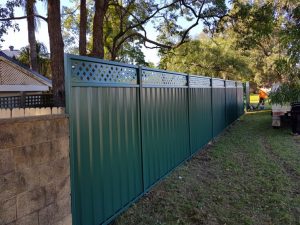
Colorbond Fences: These are made from steel and have a longer life-span than wood alternatives however involve substantial energy consumption throughout production. However, they are recyclable at the end of their lifecycle.
Aluminium Slat Fences: Lightweight and resilient, aluminium slat fences are resistant to rusting yet need energy for production. They can be recycled at the end of their life.
Glass Fences: Typically utilized for swimming pool locations due to safety policies, glass fences provide a modern appearance but might not be as eco-friendly due to making processes that take in significant energy.
Tubular Metal Fences: These use outstanding security but are typically made from steel that needs mining and comprehensive processing.
The Lifespan of Different Fence Materials
The durability of fencing differs significantly based on product:
|Fence Type|Typical Life-span|Environmental Effect|| --------------------|-------------------|-------------------------------|| Wood Paling|10-15 years|Needs treatment & & maintenance|| Colorbond|20-30 years|Resilient; recyclable|| Aluminium Slat|15-25 years|Lightweight; recyclable|| Glass|20-30 years|Energy-intensive production|| Tubular Metal|15-25 years|Security-focused; recyclable|
This table highlights why it's important to comprehend what enters into each option you make when selecting a fence type.
Exploring Sustainable Practices in Fence Installation
The Function of Respectable Fencing Companies
Choosing a skilled Fencing Company in Australia, particularly one situated in Melbourne, can significantly affect your decision-making process concerning sustainable fencing options.
Why Select Professionals?
Expertise: Professional fence builders understand local policies and ecological guidelines. Quality Materials: They source top quality products that adhere to sustainability standards. Efficient Setup: Specialist setups minimize waste through efficient techniques.Eco-Friendly Practices During Installation
To ensure minimal environmental effect during setup, think about the following practices:
- Use recycled materials whenever possible. Implement waste management methods to reuse offcuts. Consider native plants for landscaping around your fence for biodiversity enhancement.
A Closer Take a look at Popular Fence Types
Timber Paling Fences
Characteristics & & Benefits
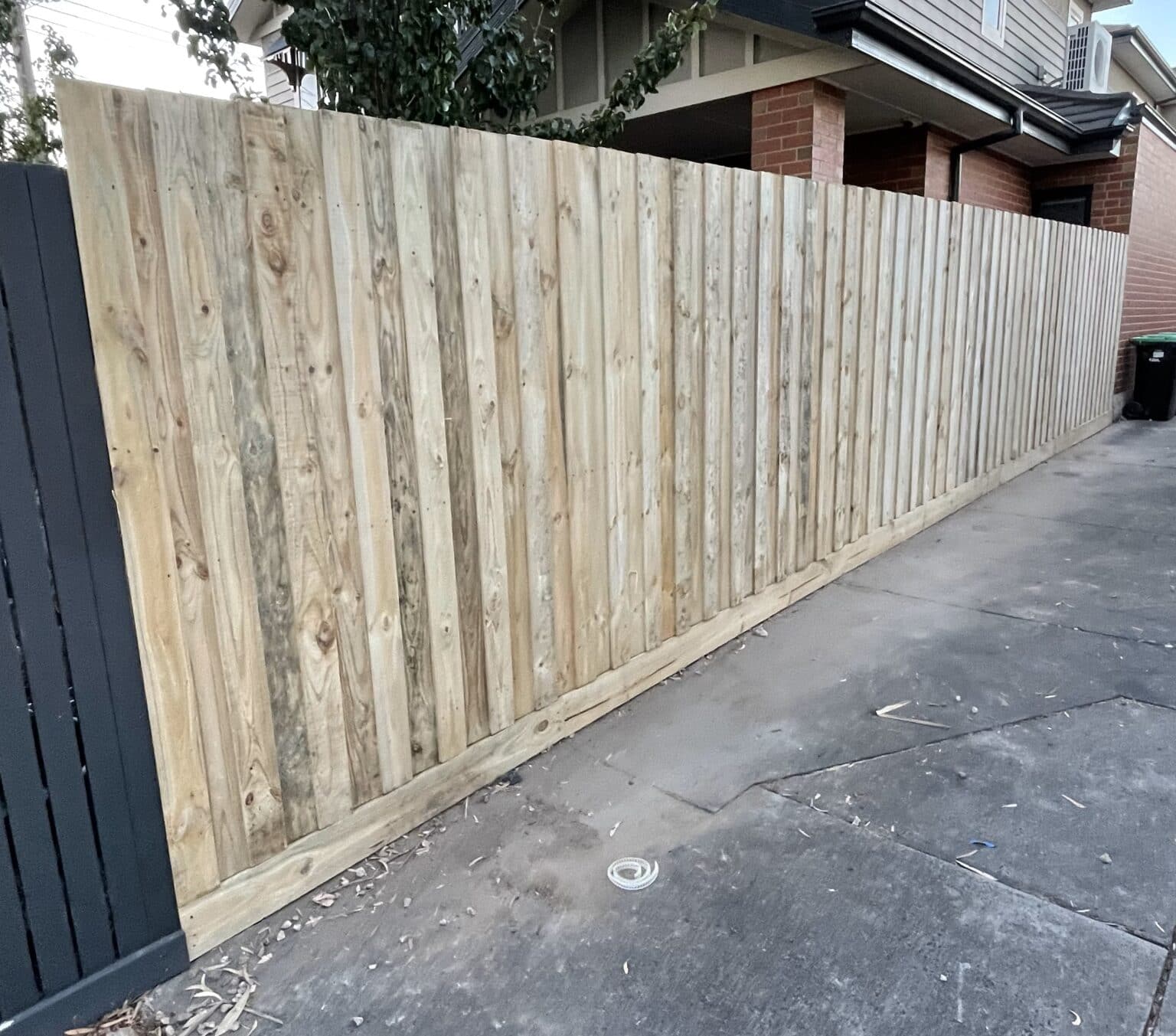
Timber paling fences are beloved for their timeless appeal and natural visual. They blend seamlessly into landscapes when sourced sustainably-- a key consider decreasing overall environmental impact.
Environmental Considerations
While timber is renewable, logging positions threats if not handled correctly-- this is where choosing sustainable sources becomes paramount.
Colorbond Fences
Durability Meets Aesthetics
Colorbond fences offer lively colors in addition to sturdiness against severe climate condition-- best for varied Australian climates!

Recycling Potential
At the end of its life cycle(around thirty years), Colorbond can be entirely recycled into brand-new items-- making it an eco-friendlier alternative compared to other materials.
Comparative Analysis: Aluminium Blade vs Aluminium Slat Fences
Overview
Both aluminium blade and slat fences use smooth designs while keeping strength versus rust-- ideal for seaside environments like parts of Melbourne.
Pros & Cons
|Feature|Aluminium Blade|& Aluminium Slat|| -----------------------|----------------------------------|----------------------------------|| Aesthetic|Modern appearance|Flexible design|| Upkeep|Low|Low|| Cost|Moderate|Greater preliminary financial investment|
Sustainability Factors
Both types can be crafted from recycled products which improves their sustainability profile substantially when compared to other options like wood or without treatment steel.
Picket Fences: An Ageless Traditional with Ecological Considerations
Nostalgic Appeal
Picket fences evoke charm while serving useful purposes like defining residential or commercial property lines without jeopardizing presence or openness within neighborhoods.
Environmental Impact
While captivating, standard wood picket fences must be treated frequently-- which can present chemicals into soil unless sourced from sustainable timber plantations or treated appropriately.
Glass Fences: Security Fulfills Style
Safety First
With strict guidelines surrounding pool locations in Australia, glass fencing has become progressively popular-- and appropriately so!
Environmental Trade-offs
Despite offering safety advantages without blocking views, glass production involves high energy input-- highlighting the requirement for responsible sourcing practices during procurement.
Security vs Privacy: Finding Balance with Your Fence Choices
Security Fences
Security features such as tubular metal styles offer robust security against burglars yet may do not have visual appeal compared with other options like personal privacy slats or wood panels developed specifically for maintaining visual barriers without sacrificing style considerations!
Privacy Fences
Privacy-focused options can come at an ecological expense if they utilize non-sustainable materials-- yet numerous options exist which preserve both functionally strong barriers while remaining eco-conscious too!
The Role of Retaining Walls in Sustainable Landscaping
Understanding Keeping Walls
Retaining walls serve double purposes-- they stabilize soil while likewise enabling you more flexibility concerning landscaping choices around your property! Choosing sustainable materials here even more improves ecological advantages originated from appropriate placement together with existing structures currently present on-site!
Eco-Friendly Alternatives
Consider using locally sourced stone or recovered wood instead instead of deciding entirely for concrete options which typically jeopardize overall ecosystem health with time due mainly due their non-biodegradable nature when set up firmly into https://penzu.com/p/0c562dcd19a25781 place within landscapes throughout Melbourne suburbs alike!
Automated Gates: Benefit vs Carbon Footprint
Swing Gates vs Moving Gates
Swing gates typically need more space than sliding gates-- however both alternatives include convenience when going into homes firmly whilst reducing foot traffic around vulnerable locations too! Investing in automated systems increases effectiveness but ensure you source solar-powered choices any place feasible too!
Energy Consumption
Automated gates often consume more power compared against manual versions-- however developments continue enhancing effectiveness so always ask about potential impacts before dedicating fully!
FAQs About Environmental Impacts Related To Various Kinds Of Fencing
What kind of fence is most environmentally friendly?- Timber paling fences sourced sustainably tend to be amongst the most eco-friendly alternatives available if preserved appropriately throughout their lifespan.
- While they have high manufacturing costs concerning energy use upfront at first-- Colorbond's recyclability makes it beneficial post-use compared against less sustainable alternatives!
- Glass uses many advantages visually however does carry heavier carbon footprints connected with production processes-- so weigh these aspects carefully!
- Tubular metal supplies superior security features over wood equivalents due mainly since they hold up against wear-and-tear much longer!
- On average aluminium slat designs last in between 15-25 years depending upon quality setups integrated with care taken throughout ownership periods!
- Absolutely! Lots of property owners effectively blend styles(like integrating conventional pickets with modern slats)developing distinct looks tailored specifically towards individual tastes/preferences without sacrificing performance either!
Conclusion
The options we make worrying fencing products resonate far beyond our instant surroundings-- they echo through communities affecting wildlife environments along with community aesthetics alike! By comprehending these implications clearly described here today thanks mostly associated towards insights provided by seasoned professionals working tirelessly within Melbourne's busy construction landscape-- you're fully equipped now moving forward understanding exactly how finest browse future projects properly guaranteeing a favorable ecological footprint remains front-of-mind every action along way!
In amount, whether you pick timber paling fences for their charm or opt for aluminum slats owing due functionality-- what matters most eventually lies behind notified choices rooted securely within ecological sustainability principles!